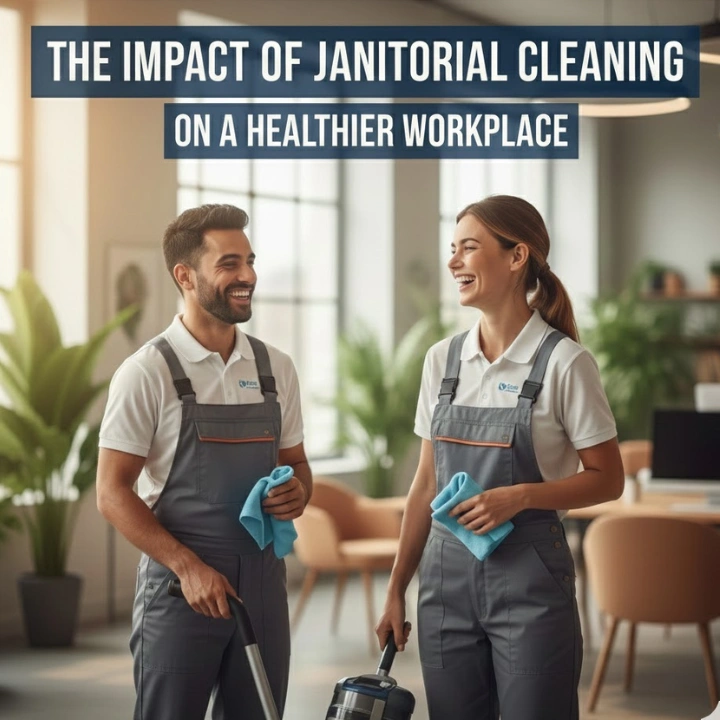
Wherever you turn in the busy interchange of your office, lurking waiting areas are bacteria exploiting your mailbox more rapidly than you find it, and bacteria playing with the health of your workforce. Just because you believe it is dirty, male bacteria found on your average desk are 400 times more than on a toilet seat. Shocking, right? But do not panic yet, get into the unglamorous business of janitorial cleaning, which kills these microscopic monsters and makes sick days go by! Professional cleaning by the businesses not only denotes reduced absenteeism of up to 46 days but also increases productivity up to 8%.
It is not merely a pristine office that is beautiful, but a sort of hidden defense against colds, sore throats, and getting stuck in a rut. It is time to go deep into the reasons why janitorial cleaning can save your office’s health and make your office into a fortress of wellness.
How Janitorial Cleaning Boosts Workplace Health
Why cleanliness plays a major role in employee wellness
Clutter has a direct effect on the wellness of the employees as it minimizes exposure to germs, allergens, and other hazardous substances that promote diseases like respiratory illnesses and allergic reactions. A clean workspace minimizes dust, molds and bacterial growth, which makes the employees stay healthy and less susceptible to illnesses.
Besides, a clean workplace has psychological advantages, such as a reduction of stress levels and enhancement of employee attention and motivation. By focusing on cleanliness, management will show that its employees are appreciated and trusted, making health and wellness a positive workplace environment. Therefore, wellness and cleaning are closely linked in the maintenance of a prosperous workforce.
Building a healthy work environment through proper sanitation
Sanitation can be used to promote a healthy environment at work by ensuring surfaces are regularly disinfected and that the levels of cleanliness are maintained so that the chances of contamination are minimized. It consists of cleaning of neglected areas frequently, like kitchenettes, washrooms and break areas where germs multiply. Establishing daily hygiene routines like hand sanitizing and surface wiping encourages employees to participate in maintaining a clean space, fostering shared responsibility. Ultimately, healthy workplace hygiene practices formed through consistent sanitation promote overall employee wellbeing, reducing illness transmission and improving workplace morale.
Cleaning and Employee Wellness
How a clean workspace supports mental and physical health
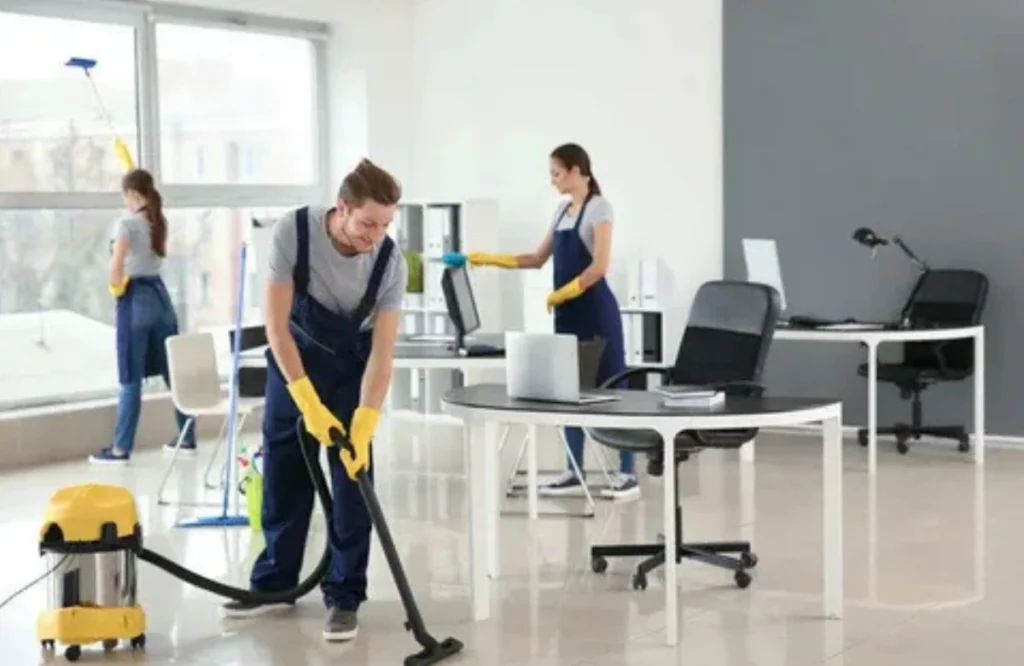
Clean space facilitates good physical health by reducing exposure to disease-causing pathogens and house-related allergies. It also fosters mental health by making the environment well-organized, clutter-free, resulting in a stress-reduced and better concentration environment. Employees working in clean offices feel more comfortable and motivated, which boosts morale and decreases absenteeism. Encouraging employees to adopt personal cleaning routines for their work areas further enhances this effect, cultivating a culture of cleanliness and wellness.
The impact of clutter and dirt on employee morale
Poor and untidy working environments lead to the frustration of employees and reduced morale. Disorganized workplaces cause stress and generate distracting elements that reduce concentration and efficiency. On the other hand, clean and well-organized offices promote pride and professionalism, which motivate employees to do better and get more involved. The minimization of clutter and dirt is one of the main priorities to ensure the satisfaction of the employees and a pleasant working environment.
Real benefits of maintaining a consistently tidy office
Regular cleaning would result in reduced sickness and sick days at the workplace and hence an increase in productivity. It also improves employee welfare through a favourable environment, which minimises stress and illnesses. Employee retention and satisfaction numbers are also beneficial to business, since when offices are tidy, secure, and well organised, it translates to the company’s reputation.
Healthy Workplace Hygiene Practices
Daily routines that promote hygiene in offices
Sanitizing of high-contact surfaces, wiping down of desks and equipment, and promoting handwashing or hand sanitizing among employees are some of the daily hygiene practices. Such practices contribute to the prevention of the infection chain and the minimization of microbial contamination of common areas. The establishment of these practices guarantees that the premises are sanitized at any time and works towards improvement in terms of health in the workplace.
Encouraging staff to maintain personal and shared space cleanliness
Employees must be urged to maintain hygienic and tidy workstations as well as conduct regular cleansing of their individual workstations and maintain joint-use workstations such as conference rooms, break rooms, etc. These behaviors are encouraged by means of educational programs and access to cleaning materials. Employee empowerment will create a collaborative, clean culture which will maintain hygiene.
How to design a culture of cleanliness in the workplace
Creating a culture of cleanliness involves setting clear sanitation expectations, recognizing employees who contribute to cleanliness, and providing regular communication and training on hygiene best practices. Leadership commitment to hygiene and routine professional cleaning services reinforce the culture. When everyone is involved, the workplace becomes healthier and more productive.
The Importance of Sanitation in Offices
Why surface disinfection reduces disease spread
Surface cleaning is essential because most of the infectious viruses and bacteria live on commonly touched surfaces such as door handles and light switches and shared equipment. Such areas are disinfected, and this reduces the transmission of infection amongst employees. Whereas frequent cleaning timetables are found to prevent disease outbreaks at workplaces.
Common high-touch areas that require frequent cleaning
There are high-touch surfaces that need a lot of cleaning such as keyboards, mice, phones, desktops, door knobs, light switches, elevator buttons, and handrails, and fixtures in the bathroom, which harbor germs quickly and are frequently touched. The most important thing in managing the contamination is the target disinfection of these areas.
Office zones that are often overlooked but vital for hygiene
Often-overlooked items like kitchen appliances, coffee makers, air vents and under desks are some of the areas that are frequently left behind when cleaning routines are ignored and this harbors the pathogen. When the janitorial attention is well given to these significant areas, it is a guarantee of a holistic office cleaning approach.
Janitorial Disinfection Benefits for Businesses
How professional disinfection minimizes workplace illness
The professional cleaning aspect of disinfection utilizes good protocols and hospital-quality disinfects to eliminate germs, viral particles and bacteria to a great extent, reducing the incidence of sick employees. This will lead to less absenteeism, high morale and better business continuity.
The difference between cleaning, sanitizing, and disinfecting
Cleaning removes dirt and impurities but may not kill germs. Sanitizing reduces germs on surfaces to a safe level. Disinfecting destroys or inactivates most germs on surfaces. Each step is important, but disinfection is essential for controlling infectious diseases in workplaces.
Proven janitorial practices that keep offices germ-free
Best practices in janitorial activities are timely cleaning of high-touch areas, application of disinfectants that are approved by the EPA, following instructions provided by the manufacturers, routine list of procedures or tasks, and employee training in regard to external neatness between official cleanings.
Disease Prevention Through Regular Cleaning
Common workplace germs and how to stop them
Common workplace germs include influenza viruses, cold viruses, norovirus, and bacteria causing skin infections. Proper cleaning and disinfection, hand hygiene, and reducing shared devices help stop their spread.
Best cleaning products for effective germ control
Hospital-grade disinfection agents and sanitizers that are registered by the PA and that have a wide range of covering pathogens are accepted. Microfiber cloths and electrostatic sprayers increase the efficacy of the product.
Reducing sick days with consistent janitorial care
A regular cleaning by the janitorial team also reduces the number of pathogens, hence lowering the number of sick days of the staff, and eliminating absenteeism, which enhances continuity in the business operation and employee satisfaction.
Workplace Safety Cleaning Tips
Keeping floors, walkways, and common areas hazard-free
Regular cleaning to remove spills, dirt, and clutter prevents slips, trips, and falls. Ensuring walkways and emergency exits are clear promotes physical safety in the workplace.
Proper use of cleaning equipment and chemicals
Training staff on correct handling and storage of cleaning chemicals and equipment prevents accidents and chemical exposure. Using appropriate personal protective equipment is necessary for safety compliance.
Maintaining compliance with cleaning safety standards
The legal compliance with the OSHA and CDC cleaning guidelines would lead to a safe and healthy working environment. The following are the existing standards for professional janitors.
Germ-Free Office Maintenance Strategies
Daily priorities that should be done: Wiping high-touch areas, getting rid of trash, and spot cleaning. Weekly: extensive washing of floors, washrooms, and washing areas. Monthly: Changes of the HVAC filters, deep carpet cleaning, and complete sanitation of neglected spaces.
Using eco-friendly cleaning products for long-term health
Incorporation of green products causes less exposure to dirty chemicals, thus enhancing the indoor environment and, in the long run sustainable health practices.
Preventing buildup in high-traffic or shared spaces
Cleaning cycles and rapid response to spills and dirt will help eliminate such situations and allow microorganisms to proliferate in the areas with a lot of traffic, such as lobbies and conference rooms.
Cleaning Safety Standards and Compliance
Industry regulations for commercial cleaning services
The cleaning services of commercial cleaners are strictly regulated by the standards of OSHA and CDC, which lay down the rules of cleaning, the use of chemicals and employee safety to ensure high standards of work.
How professional cleaners meet OSHA and CDC guidelines
To meet the requirements of the OSHA and CDC, professional janitorial teams are trained on chemical handling safety, the process of disinfection and emergency requirements.
Importance of trained staff and safe chemical handling
The trained personnel ensure that the risk of having chemical exposure, accidents, and inefficient cleaning is reduced, making all occupants of the building safe.
Conclusion:
Janitorial cleaning not only involves cleaning up, but this practice is also an effective weapon in enhancing health in the workplace. Professional cleaning has a contributing role in reducing sick days of employees and increases their productivity by minimizing the number of germs, allergens and contaminants. To ensure improved job satisfaction and a safer working environment, a constantly clean environment promotes the physical and mental well-being of the individual. Placing money in the hands of skilled janitorial services is the foundation block of a healthy and happier workplace where people can prosper.
Need reliable cleaning services to ensure your workplace is sparkling and your well-being is in place? Outsource Deep Cleaning Experts to ensure you have cleanliness and your well-being.
FAQ’s
A: By keeping a clean workspace, germs, allergens and contaminants that bring illness and allergic reactions are reduced and this directly improves employee health and well-being. Healthy environments lower the number of sick days and improve morale and general productivity.
A: Employees are advised to wash their hands regularly, clean working areas, wipe shared ones, and avoid clutter. The motorcycle staff should be encouraged to keep their offices neat, encouraging them to roll up cleaning with the staff.
A: Sanitation, particularly high-touch surfaces, destroys disease-causing microbes. This routine disinfection will minimise the risk of infection and will ensure that the office is healthy for all workers.
A: Regular cleaning and disinfecting disrupt the transmission of viruses and bacteria, lowering the chance of outbreaks and reducing employee absenteeism caused by illness.