Are you always sneezing and itchy in the eyes or do you have that annoying itch in your throat every time you are in the company of your furry friends? You’re not alone. Pet dander is those tiny flakes of the skin of cats, dogs and other pets that can make your own house become hotbed of allergies. But what in case you could reoccupy your space and breathe with freedom once again? The secret is in deep cleaning strategies that are particularly meant to drive away pet dander forever. Simple and effective methods of action on all surfaces will help say goodbye to sneezes and welcome fresh and clean air.
Are you ready to relax and have a comfortable life with your pets? It is time to immerse in the final pet dander elimination guide that will turn your house into a place of complete freedom and comfort.
Understanding Pet Dander and Its Impact
What is Pet Dander?
- Pet dander comprises small which of skin that is shed by pets such as cats and dogs.
- These tiny particles are easy to float into the atmosphere and stick to surfaces unlike fur or hair.
- Dogs and cats both cause the dander; even the so-called hypoallergenic pets do generate some, albeit not as much.
Why Pet Dander is a Problem for Allergy Sufferers
- Dander is rich in proteins that cause an allergic reaction in a good number of individuals.
- The symptoms involve sneezing, itchy eyes, a runny nose, coughing, and occasionally asthma attacks.
- Allergies may also be on the increase even in the absence of pets as dander may remain long after shedding.
Deep Cleaning Your Home to Remove Pet Dander
The Role of Regular Deep Cleaning in Reducing Pet Dander
Deep cleaning should be carried out regularly to take away the pet dander that has overtime settled in the visible and inaccessible parts of your house. The dander of pets is inclined to the deep entrenchment of the fabrics used such as curtains, upholstery, and carpets. These fibers may harbor dander and unleash it into the air every time it is disturbed, and cleaning them often is essential. Vacuuming your house once or twice a week can also help a lot in decreasing the number of indoor allergens, which enhances the quality of the air and minimizes the manifestations of allergy.
Key Areas to Focus on for Effective Pet Dander Removal
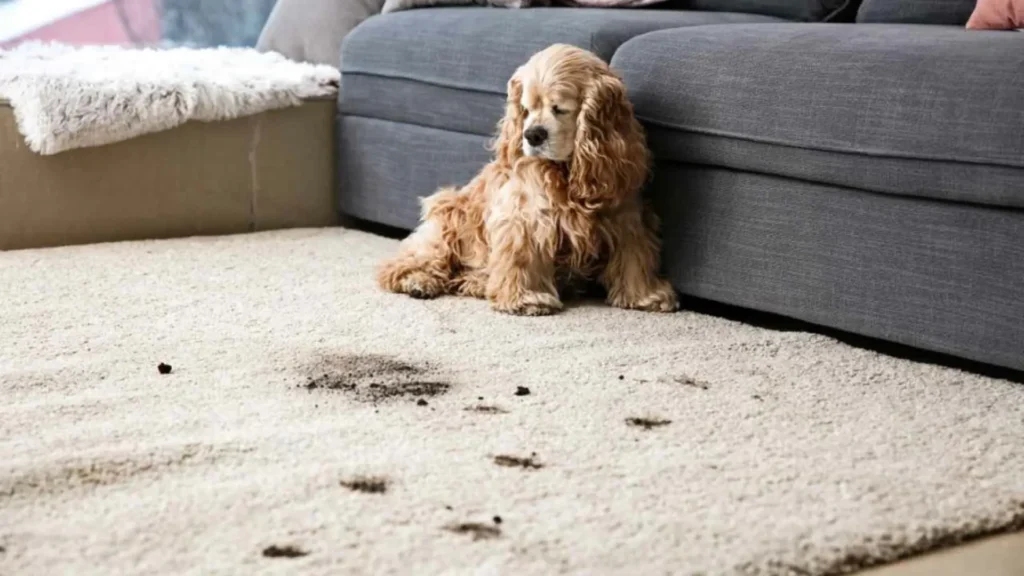
To remove the pet dander, it is best to focus on the parts of the organism where the dander is the most concentrated. Furniture, upholstered furniture, i.e. sofas, chairs, pet beds, has a high dander concentration, particularly in areas where pets have to relax. Major traps are also carpets and rugs wherein the dander is embedded in fibers, and it spreads with each foot. With pets, curtains and other fabrics, especially in rooms that they access, contain dust and dander, which exacerbates the symptoms of allergy. Floors, baseboards, shelves and window sills are hard surfaces that should be wiped, not to create an accumulation of the same.
Effective Methods to Eliminate Pet Dander in Your Home
How to Get Rid of Pet Dander in the House
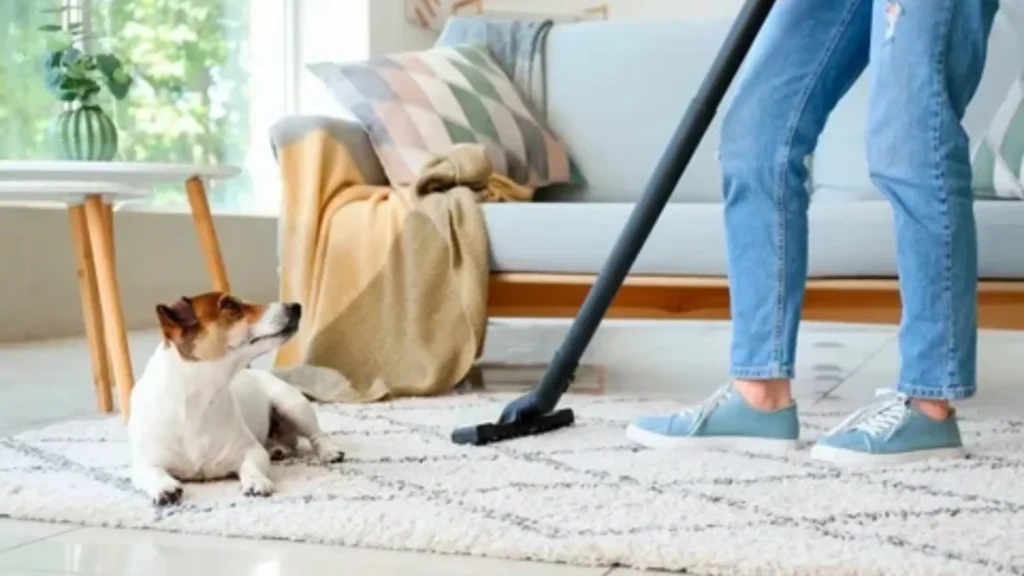
The first step to effective removal of pet dander is to employ the correct tools and techniques of cleaning. One of the most suitable methods of capturing microscopic dander particles as opposed to making some visual debris visible, is to vacuum using a HEPA-filter vacuum cleaner. In order to prevent reintroduction of allergens into the house, it is important that one always vacuums outside the house. Steam cleaning of carpets and upholstery involves the use of heat that is used to loosen and neutralize any form of allergens that are deeply embedded in fabrics and enhance indoor air quality.
It is recommended to wash pet bedding and blankets every week in hot water and break the protein allergens, as otherwise they accumulate. It is better to dust using damp microfiber cloths as dry dusting may spread about the dander. Cleaning air vents regularly and changing HVAC filters regularly is another way of preventing the recirculation of dander in your house.
Using Air Purifiers for Cat and Dog Dander
The effectiveness of the use of HEPA air purifiers in removing pet dander in the air is high and therefore, would work well in bedrooms and in any other place where you spend a lot of time. When selecting a purifier, you should select the one that is suitable for the room size and you must organize it to be close to the areas where your pet spends most of its time. Always clean and replace filters in purifier following the instructions of the manufacturer to ensure a high level of performance and elimination of allergens.
The Best Pet Dander Remover Sprays
Pet dander remover sprays that are enzyme based act to break up the allergenic proteins which result in allergic reactions. The sprays enable easier cleaning of the dander and decrease the allergenic capabilities. They can be used on upholstery, carpets, curtains and pet beds. However, it is always important to first apply the spray in a small and hidden area to make sure that it does not discolor the fabric or destroy it.
Does Vinegar Kill Pet Dander?
While vinegar does not “kill” pet dander, it works as a natural cleaner that helps loosen it and neutralize unpleasant odors. A simple solution of equal parts white vinegar and water can be used to wipe down hard surfaces to reduce dander buildup. Avoid applying vinegar directly to delicate fabrics without spot testing, as it may cause discoloration or damage.
Specialized Products for Pet Dander Removal
Pet Dander Remover Sprays: What You Need to Know
In choosing pet dander remover sprays, identify those sprays that are specifically stated to be allergy relievers or those sprays that are specifically designed to destroy dander. These sprays in most cases have protease enzymes that act by neutralizing the proteins present in dander that causes allergic reactions. Sprays that contain heavy synthetic fragrances should be avoided, because this may increase the effects of allergies or irritate sensitive people. Applying appropriate spray will simplify the cleaning process and make it more efficient because it will weaken the ability of pet dander to cause allergenicity of surfaces.
Homemade Solutions for Cat Dander: Is DIY Safe?
A lot of homeowners resort to the less harmful homemade remedies such as diluted vinegar or baking soda to remove pet dander on hard surfaces. These are usually safe and not toxic although are not quite as effective as commercial enzyme-based products in breaking down the allergenic proteins in dander. As far as fabrics are concerned, it is best to test the waters first, do a patch test on a small and hidden area before applying a homemade mixture, and observe the washing instructions of the manufacturer to not ruin your upholstery, carpets or bedding.
Air Purifiers for Pet Dander: A Long-Term Solution
One of the reliable long-term plans for dealing with airborne pet dander is to invest in a high-quality HEPA air purifier. These devices are perfect in the bedroom, in the living room, and in the office where you will spend so much time. With regular utilization of an air purifier, the level of airborne allergens is decreased permanently to alleviate the symptoms of allergies. Over time, this aids in making the indoor environment healthier particularly when it is accompanied by frequent thorough cleaning and preventative measures.
Pet Dander and Your Furniture
How to Get Cat or Dog Dander Out of Upholstered Furniture
It is necessary to have upholstery attachment with vacuum cleaning and HEPA filter at least once a week to remove pet dander in the upholstered furniture. This assists in getting the small dander particles woven into the cloth. When doing spot cleaning, a damp microfiber cloth can be used, or a lint roller can be used to pick up loose dander without dispersing it around. To clean further, use of enzyme based spray and then steam cleaning can be used to dissolve dander proteins and eliminate allergens that would be trapped deep down in the cloth. Ensure that the furniture is left to dry fully before it is used to avoid the accumulation of moisture.
Cleaning Tips for Pet Dander in Carpets and Rugs
Pets are significant sources of dander and carpets and rugs need to be thoroughly washed to minimize allergens to a minimum. Vacuum carpets gradually and thoroughly, and move in various directions to break the dander off the fibers successfully. To achieve a thorough clean, have professional hot water extraction or steam cleaning done once or twice or so a few months to remove the hidden allergens. Also, it is a good idea to shake smaller area rugs outside every now and then as this will get rid of pet dander and dust that will not be removed by vacuuming.
Removing Pet Dander from Hard Surfaces Like Wood and Tile
Pets on the hard floor such as wood and tile can be easily solved by vacuuming using a wet microfiber cloth that will capture dust and dander rather than merely relocating it. Washing mop floors with pet-friendly cleaning chemicals, without using oil based cleaners that leave behind residues that breed more dust. Also clean baseboards, windowsills and corners regularly as they are often over-ignored locations and should be included in your routine clean-up procedure towards the elimination of allergens.
Allergy-Specific Pet Dander Removal Strategies
How to Get Rid of Pet Dander Allergies
The treatment of dander allergies in pets includes short-term and long-term treatment measures. Antihistamines, nasal rinses, and allergy medicine can be used to reduce sneezing, itching, and congestion in order to achieve rapid symptom relief. Nevertheless, the best way to do this is through mitigation by ensuring a clean house through regular deep cleaning, restricting the pet access to certain rooms such as the bedroom and the use of HEPA air filters to trap dander floating in the air. Pets should also be clipped or bathed with the approval of your veterinarian on a regular basis which also reduces the amount of dander they lose.
Tips for Reducing Pet Dander Exposure if You Have Allergies
The establishment of pet-free zones, particularly bedrooms and sleeping rooms is a significant measure to reduce contact with the allergens. Carpeting and heavy drapery should be avoided in such areas, and instead, cleanable throws, slipcovers and easier to clean blinds should be used. Once you are through with playing with pets or visiting pet areas, it is better to change clothes and wash your hands regularly to get rid of allergens. Home cleaning by professionals every few months, in particular, during the allergy season, eliminates the accumulation of dander and provides pain relief to the allergy sufferers.
How Long Does Pet Dander Last in Your House?
Pet dander is also known to be stubborn and it can be left in your house even when pets have died and taken weeks before. Unless cleaned, the dander accumulates in clothes, mats, vents, and other areas. Cleaning all surfaces regularly, as well as ventilation, are beneficial to reduce the life of dander in the house. Regular maintenance is required to ensure a dander free atmosphere and offer long term allergy relief.
Conclusion
Most importantly, to regain the comfort of the home and breathe much easier, yet still enjoy the company of your pets, it is necessary to deal with pet dander with the help of deep cleaning and effective, specific products. Having a healthy environment is achieved by integrating intelligent cleaning plans and routine maintenance to ensure that everyone has a healthy living environment. To achieve the best and long-term outcome, leave your house in the hands of professional cleaning services such as Deep Cleaning Experts, the firm that specializes in the complete removal of pet dander, as well as the elimination of allergens.
FAQ’s
Dander is minimally removed but very seldom gets rid of with regular cleaning. It is about consistency and the appropriate ways.
Yes! HEPA air purifiers significantly lower airborne dander and improve air quality for allergy sufferers.
Hard surfaces and to a certain degree fabric safe, however, because of their effectiveness in deactivating the allergens, commercial enzyme cleaners are more effective.
Every 1-2 weeks should be worked on the regular maintenance; it is suggested that the carpets and upholstery be deep-cleaned every 2-3 months.
Yes! Professional services go in places where most homeowners find themselves lacking and employ tools that extract the allergens deep inside, ensuring the problem is permanently tackled.