It comes to a point when you have all worked so hard to restructure your home to find out that it is coated with a layer of construction dust and debris that is not going to leave any time soon. This invisible attacker not only turns your work to be boring, but also puts your family at stake of allergens and irritants to health. When you think that a good clean-up will not last long, once again, you are wrong at this stage, where the actual magic behind the renovation clean-up comes in. Most individuals confuse a renovation and a deep cleaning as not a good idea since it can be heavily utilized as the turning point of having life once again in your place. It transforms the chaos into order and all the angles are gleaming, and all the air is purer.
Ready to discover the way to restore your renewed house to the fullest? The last house cleaning tips on deep cleaning the entire house which will guarantee your investment and regain your peace of mind regarding the position.
Why Deep Cleaning After a Renovation is Crucial
The Risks of Leaving Construction Dust and Debris Behind
Construction dust adheres to all the surfaces, including those that cannot be seen and it has the influence of causing allergy and difficulty in breathing. It also touches the HVAC filters and vents rendering the systems less efficient and may be destructive. In addition, the new finishes can be dusted and they are in a bad state that reduces the appearance and life span of your remodeling.
How Deep Cleaning Improves Indoor Air Quality Post-Renovation
Deep cleaning removes fine dusts that result in asthma and allergies. Filter replacement, duct-cleaning and air vent cleaning help reduce air pollutants and increase air flow to make your family have a healthy environment.
Long-Term Benefits of a Thorough Post-Renovation Deep Clean
A regular cleaning will maintain fresh paint, flooring, as well as cabinet work by preventing the build-up of dust that encourages allergens and moulds. It is also maintained in a general order in order to ensure that your home is maintained clean and safe for children, pets and victims of allergy, besides ensuring that you can spend all your time within your newly renovated home.
Deep Cleaning Steps to Restore Your Home After Renovation
Step 1: Removing Larger Debris and Leftover Construction Materials
Begin by cleaning the visible rubbish such as the wooden scraps, nails, plastic wrappings among others that are used in construction. To be on the safe side, dispose of it in heavy-duty trash bags and gloves. Store hazardous material properly in line with the local laws.
Step 2: Tackling Construction Dust on All Surfaces
Wipe down the walls, cabinets, counter tops and fixtures using moist (damp) microfiber cloths. Always take care to clean baseboards, door frames, window sills, light switches etc as dust will be found in them too. Clean with mild cleaners so that you do not destroy freshly painted or varnished surfaces.
Step 3: Deep Cleaning Floors: A Guide for Hardwood, Carpet, and Tile
- Sweep, or significantly vacuum and then spong with a wood-safe cleaner in the instance of hardwood floors.
- Carpets require over a single pass with HEPA filter vacuum which is very useful in retrieving fine dust that usually gets trapped in the fibers.
- Another benefit of using tiles is that they can be steam-washed or cleaned with a grout brush in case of any hard dust and particles.
Step 4: Deep-Cleaning Walls and Ceilings After Renovation
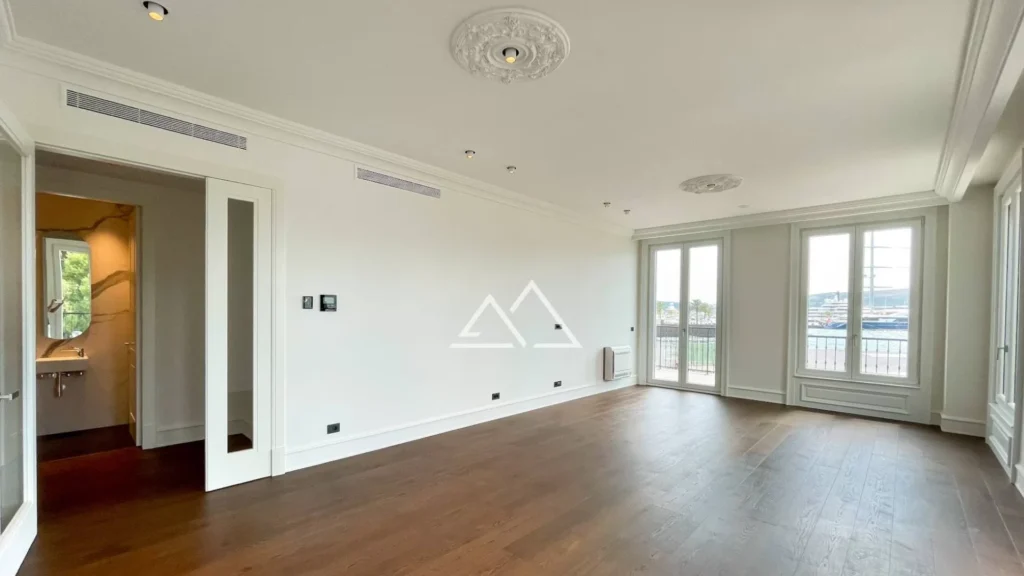
Tall walls and ceilings are prone to the accumulation of dust and thus they need the services of extendable dusters to reach such heights. Scratches or spots of paint splashes should be cleaned by hand without leaving any traces on the surfaces. Properly ventilate the area during cleaning and help in clearing dust particles that are in the air.
Step 5: Air Quality Restoration: How to Purge Post-Renovation Dust
Reducing indoor air pollution. Indoor air quality can be increased by using air purifiers with HEPA filters in every room of your house. Open windows when the weather is favorable to encourage fresh air in the house. Get a replacement of HVAC filters and clean air vents to avoid dust being recirculated and make the interior environment healthier.
How to Deal with Construction Dust: A Deep Cleaning Challenge
Why Construction Dust is So Persistent
Some of the materials to be used in the construction that generate construction dust are drywall, wood and plaster which form ultra-fine particles that stick to the surfaces. These dust particles are smaller and they readily get into the fabrics, upholstery, vents, electronics and other porous materials and they are difficult to remove. Unless properly cleaned, construction dust can remain suspended in the air and settle and continue to settle thus defining the general cleanliness and air quality of your home.
Tips for Cleaning Dust in Hard-to-Reach Areas
An extendable duster with a microfiber cloth to retain dust that adheres to the surface will be useful to clean the dust in areas that cannot be easily accessed like the ceiling fans, vents, light fixtures, etc. Attachment using compressed air or vacuum is handy to eliminate concealed dust deposits on narrow crevices and tight corners. Always remember to clean the overlooked parts like tracks in the windows, curtain poles over and beyond the appliances, where dust is always a big menace.
Best Cleaning Tools and Methods for Tackling Renovation Dust
- Microfiber Cloths: These are cloths that can effectively pick up the dust without transferring around a dusting environment, hence making them indispensable in dusting surfaces.
- HEPA Filter Vacuums: They are the ones that can be employed in the thorough cleaning of the carpets, upholstery and vents that cannot be effectively swept by the ordinary type of vacuums.
- Sticky Floor pads: The pads are efficient in picking up dust and other minute objects on hard floors and it is applied so that there is no single particle left behind and the finish will be clean.
Deep Cleaning the Air After a Renovation
Why Post-Renovation Air Quality Is a Concern
The air is, in most cases impaired after a renovation due to construction dust and volatile organic compounds (VOC) released by the new construction materials such as paints, adhesives, and finishes. Some of the unwanted symptoms that may arise due to such pollutants include headaches, dizziness, sore throat, and worsening allergies or breathing issues. The air should be clean in order to enjoy the best of your new life setting which is rejuvenated.
Top Methods to Improve Air Quality
Air purifiers can be considered as some of the most suitable means of improving the quality of air on a post-renovation basis using air purifiers that have true HEPA filters. Such units capture dust particles and allergens suspended in the air and such pollutants are reduced. It is also advisable that coloured windows should be open as much as possible, to allow the movement of fresh air around to get rid of the dust trapped and the smell of the dust changed with fresh healthy indoor air.
How to Use a Dehumidifier to Remove Dust and Moisture
A dehumidifier is also essential as it reduces excess moisture that attracts dust and encourages molds to grow. The dehumidifier must be put in damp or enclosed areas after renovation as basements or bathrooms are so that the drying process becomes quicker. Ideally, it should be used under good ventilation to maximise the purity of air and a comfortable, dust-free atmosphere.
Cleaning Specific Areas: Where to Focus Your Efforts
Deep-Cleaning Kitchen Surfaces After a Renovation
Using cleaning agents and wiping agents, start by wiping countertops, cabinet fronts and appliances in a thorough manner with the intention of removing any sticky residues and dust. One should not overlook the insides of the cabinets and drawers because dust always gathers during the renovation process. Full clean up using sinks and faucets to ensure that everything is clean and safe.
Post-Renovation Bathroom Deep Cleaning Tips
Cleanse grout lines and fixtures, the bathroom with wipe scrub-tiles to eliminate the construction residues and dust. Wipe downs clean mirrors, glass doors, and vents and have a brewing body and air moving once more. Besides this, the shower curtains and mats can be changed or washed with moisture or laundry cleaners to ensure that they are dirt and odor-free.
Clean Your Windows and Doors to Remove Construction Residue
Windows and doors contain a huge amount of dust and dirt after some renovation. The streak-free shine is to be achieved with the help of wiping paper towel, microfiber cloth and good quality glass cleaner. Also to be cleaned should be clean tracks and seals which are likely to become locations of debris that can interfere with functionality and cleanliness.
Upholstery and Carpet Care After a Remodel
Vacuuming multiple times with a HEPA filter, always switch the position of the fabric, never making it hurt. Dust cleaning should be viewed as a deep and thorough one, and professional carpet steam cleaning is one of the alternatives. Wash cushions and fabrics frequently so as to prevent stale odor and so as to feel that your home is clean.
Post-Renovation Deep Cleaning: DIY vs. Hiring Professionals
When to Tackle Post-Renovation Cleaning Yourself
DIY cleaning can be considered for small projects or small re-touching in which case there is a small amount of dust and debris. Under the condition that you possess the right equipment, time and knowledge needed to perform cleaning properly, then it can give you a chance to save money when you do it by yourself. It can also be contemplated in the case of maintaining things clean after the deep clean was already been carried out.
The Benefits of Hiring Professional Deep Cleaners After Renovation
The seasoned professional deep cleaners are put to the test in terms of being forced to deal with the construction dust and debris which is difficult to take out without an expert. Ensuring that they use an industrial-grade facility and a strong cleaning agent they render the task effective. There is no necessity to spend time and effort on recruiting specialists and ensuring that all corners and surfaces are clean. Cleaning of air ducts and the resolution of the residual odors are also numerous services offered and clean-up after their renovation is done.
What to Expect from a Professional Deep Cleaning Service
The reason is that deep cleaning service is an individualized cleaning arrangement, which will be appropriate to your needs once the renovation process is done. They clean using the HEPA vacuums, steam cleaners and special dust clearing method so that they can clean well. These are not restricted to high-touch surfaces, upholstery, and flooring and air quality. With professionals, you will be assured of satisfaction that your home is in good health once it is repaired after renovation.
Conclusion:
Deep cleaning, also referred to as renewal cleanse, should follow the re-renovation cleaning, which means that besides keeping your home healthy, the deep cleaning helps the quality of the indoor air, along with the fresh, new look of your renovation. Construction dust is quite difficult to dispose and can be deposited anywhere and hence special tools and methods are necessary to ensure that the dust is removed appropriately. To remodel your home, there is a need to devise a renovation clean that makes your home an ideal finish after which not a single spot or an inchage can be left untouched. Do you like the professional renovation cleanse? Remodeling Deep Cleaning After Call Deep Cleaning Experts today and have a professional service of deep cleaning after remodeling.
FAQ’s
Ideally, after one week after construction should be done to prevent dust build-up.
Normal products will suffice with the light dust content but some heavy residue requires high-intensity and direction cleaners.
Clean the ducts using a HEPA vacuum attachment or invite or call contacting professionals.
The air spaces ought to be well-ventilated and some air purifying item should be used together with odor-neutralizing sprays.