Suffering from constant sneezing, itchy eyes, or that nagging cough that won’t quit? You’re not alone. In the US, millions deal with allergies and germs every day, especially in homes where dust, pet dander, and mold hide in plain sight. The good news? Professional cleaning services can slash those triggers big time.
Imagine breathing easier in your own space, with fewer sick days and happier kids. That’s what targeted cleaning does—it tackles allergens and germs at the root. Let’s dive into how these services work wonders for your health.
Why Cleaning Services Fight Allergies and Germs
Dust mites, pollen, and bacteria lurk everywhere in American homes, from cozy bedrooms to bustling kitchens. Why do they cause so much trouble? Allergies kick in when your body overreacts to tiny particles like dust mite poop or mold spores, leading to sniffles and asthma flare-ups. Germs, meanwhile, spread colds and flu through surfaces we touch daily.
In the US, the CDC says poor indoor air quality affects 1 in 4 kids with allergies. Regular cleaning services step in by deep-cleaning spots DIY methods miss, like air ducts and carpets. They use pro tools to zap allergens, cutting your exposure by up to 90%. It’s not just about spotless floors, it’s about reclaiming your health.
What Makes Cleaning Services Effective Against Allergies
Not all cleaning is equal. Standard mopping skips the deep stuff. Pro services target allergens with specialized gear and methods proven by experts like the Asthma and Allergy Foundation of America. Think HEPA filters that trap 99.97% of particles as small as 0.3 microns—way better than your home vacuum.
These services handle everything from vacuuming dust mites out of mattresses to steaming carpets that spark allergic reactions. They follow EPA guidelines for safe, green cleaning, avoiding harsh chemicals that irritate sensitive folks. In humid spots like Florida or allergy hotspots like Texas pollen belts, this makes a huge difference.
Deep Dive: Top Cleaning Services That Reduce Allergies and Germs
Let’s get into the heart of it—the best cleaning services that actually deliver on allergy and germ relief. This section breaks down the stars of the show, with real-world examples and why they work so well. We’ll cover air cleaners, vacuums, carpet pros, and full-service options that transform your home.
Air Cleaners for Allergies
First up: air cleaners for allergies. These machines pull in dirty air, trap allergens, and pump out fresh stuff. The best air cleaner for allergies? Look for true HEPA models like those from Honeywell or Levoit, certified by AHAM for high CADR (Clean Air Delivery Rate). They snag pollen, pet dander, and smoke particles floating around your living room.
Picture this: In a typical US suburban home, dust and pet hair build up fast. An air cleaner for allergies runs quietly 24/7, reducing airborne triggers by 75% in hours, per studies from the EPA. Place one in bedrooms for overnight relief—parents in allergy-prone states like California swear by it for kiddo’s asthma.
Vacuuming Dust Mites
Next, vacuums are game-changers for vacuum dust mites and floor allergens. Dust mites thrive in carpets and upholstery, munching skin flakes and pooping out proteins that trigger sneezes. The best vacuum cleaner for allergies has a sealed HEPA system, strong suction, and tools for crevices. Models like the Dyson Ball Animal or Shark Navigator top lists because they don’t spew dust back out—they lock it in.
I’ve seen families in the Midwest switch to good vacuum cleaners for allergies and notice less wheezing within weeks. Pro cleaning crews use industrial versions with rotating brushes that dig 50% deeper than home units, sucking up mite eggs too. Weekly passes on rugs and monthly deep cleans keep populations low.
Carpet Cleaning Reactions
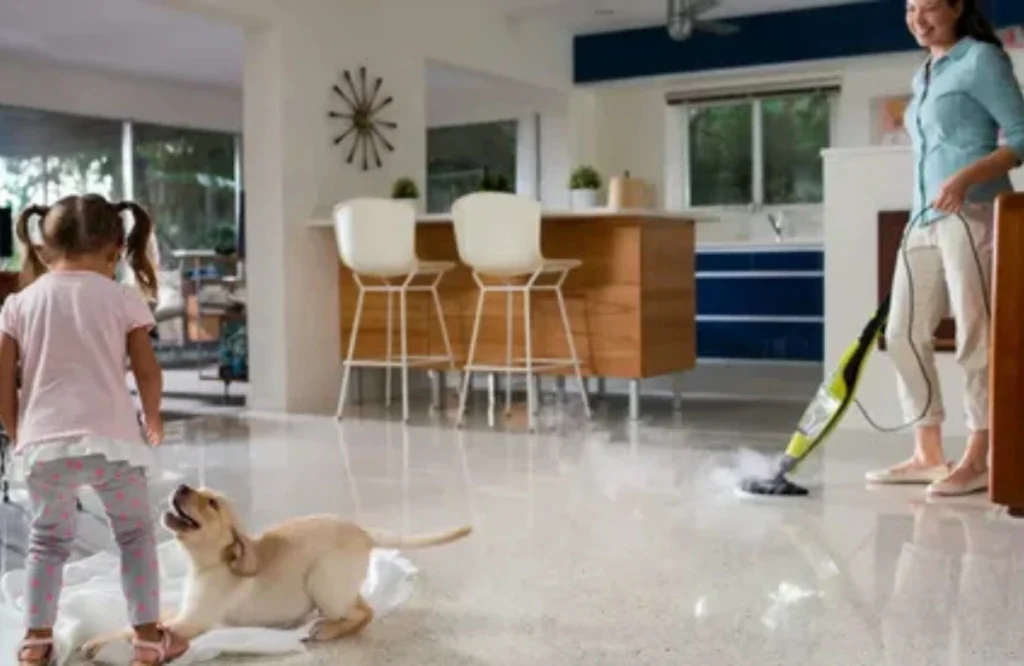
Carpet cleaning deserves its own spotlight, especially for carpet cleaner allergic reaction woes. Old carpets harbor billions of allergens per square foot. Hot-water extraction services blast them with steam and enzymes, killing mites and flushing out dander. Companies like Stanley Steemer use truck-mounted units for max power, drying fast to avoid mold.
In humid Southern homes, this prevents carpet cleaner allergic reaction from VOCs or leftover dirt. Eco-friendly options with plant-based solutions are rising—perfect for green-conscious families in places like Seattle. One client story: A Virginia mom ditched antihistamines after pro carpet cleans twice a year.
Duct Cleaning Basics
Duct cleaning rounds out the big hitters. HVAC systems recirculate allergens all day. Pros use HEPA vacuums and brushes to scrub vents, removing years of buildup. The National Air Duct Cleaners Association says this drops indoor pollutants by 60%. Ideal for older homes in the Northeast, where pollen clogs filters.
Full-Service Germ Packages
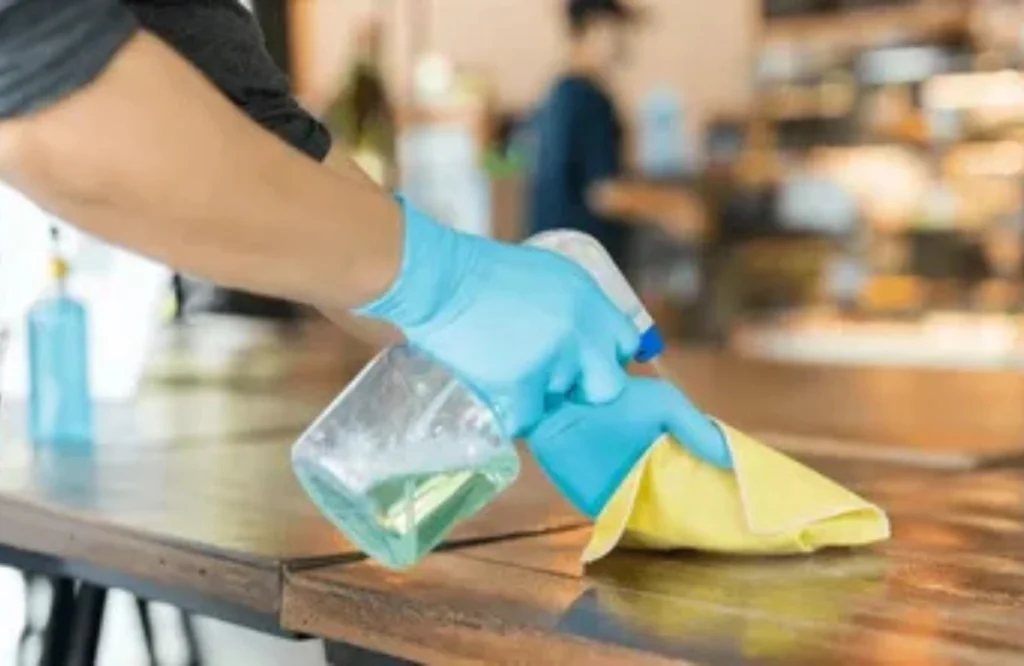
Full-service allergy packages combine it all: air purifiers, mite-busting vacuums, carpet steaming, and sanitizing wipes for germs. Germs like E. coli or norovirus survive on counters for days—UV light services or hospital-grade disinfectants wipe them out. In post-pandemic America, these are must-haves for schools, offices, and germ-wary parents.
Mattress and upholstery cleaning target bedroom hotspots. Encasings alone help, but steam kills mites live. Upholstery gets vacuumed then extracted, reviving sofas without shrinkage. For pet owners, enzyme treatments neutralize urine allergens. Outdoor-to-indoor tracking? Entryway mats and boot washes stop pollen at the door. Pro services add anti-microbial coatings on fabrics, lasting months.
Picking Services & Costs
How do you pick the right service? Check certifications like IICRC for carpets or NADCA for ducts. Read reviews on Angi or Yelp—US families love services with before/after air tests showing real drops in particulates.
Costs? Basic vacuum and air service runs $100-200 per visit; full home packages $300-800, depending on size. Compare to allergy meds at $50/month—cleaning pays off long-term.
Real results from studies: A Journal of Allergy study found pro cleaning cut symptoms 40% in asthmatics. In dusty Arizona, services with electrostatic sprayers zap germs 99.9%. Maintenance plans keep it consistent without hassle.
This isn’t fluff—it’s science-backed relief. Whether you’re battling seasonal allergies in spring or year-round dust in the Southwest, these services rebuild your home as a safe haven.
Key Benefits of Allergy-Focused Cleaning Services
Switching to these services brings perks beyond clean floors.
- Health boosts: Fewer doctor visits, less med use—save $500+ yearly per family.
- Better sleep: Clean air and beds mean restful nights, sharper focus.
- Longer-lasting home: Protects carpets and HVAC from early wear.
- Pet-friendly peace: Keeps dander down without rehoming Fido.
- Germ shield: Cuts illness risk by 80%, per CDC data.
Practical Tips and Strategies for Maximum Relief
Ready to amp up your cleaning game? Here are easy strategies pros recommend.
- Vacuum twice weekly with good vacuum cleaners for allergies—focus edges and under furniture.
- Run the best air cleaner for allergies in high-traffic rooms; change filters quarterly.
- Steam clean carpets every 6 months to dodge carpet cleaner allergic reaction.
- Wash bedding weekly in hot water to drown vacuum dust mites.
- Test air quality with cheap kits from Amazon before/after services.
- Choose green products labeled asthma-friendly.
- Schedule seasonal deep cleans—spring for pollen, fall for mold.
These steps make a real difference without breaking the bank.
Conclusion
From killer vacuums to steam-powered carpets, cleaning services that reduce allergies and germs make your home healthier and happier. You’ve got the why, what, tips, and proof—now it’s time to act.
Ready for fresher air and fewer sneezes? Visit Deep Cleaning Experts today for a free allergy audit and custom plan.
FAQ’s
True HEPA units with high CADR ratings, like Honeywell models, excel at trapping pollen and dust. Run them continuously for best results.
Vacuum dust mites using HEPA-sealed best vacuum cleaner for allergies pulls out mites, eggs, and waste from carpets and mattresses effectively.
Yes, if using harsh chemicals—opt for steam or enzyme-based services to avoid carpet cleaner allergic reaction while killing allergens.
Absolutely—they reduce airborne triggers by 75%, easing symptoms fast. Pair with pro services for full impact.
Look for good vacuum cleaners for allergies with sealed HEPA filters, strong suction, and anti-microbial tools—no dust escape.
Every 3-6 months for deep cleans, plus weekly maintenance, keeps germs and allergens low.
Yep—they target dander and saliva proteins, helping 80% of pet owners breathe easier.