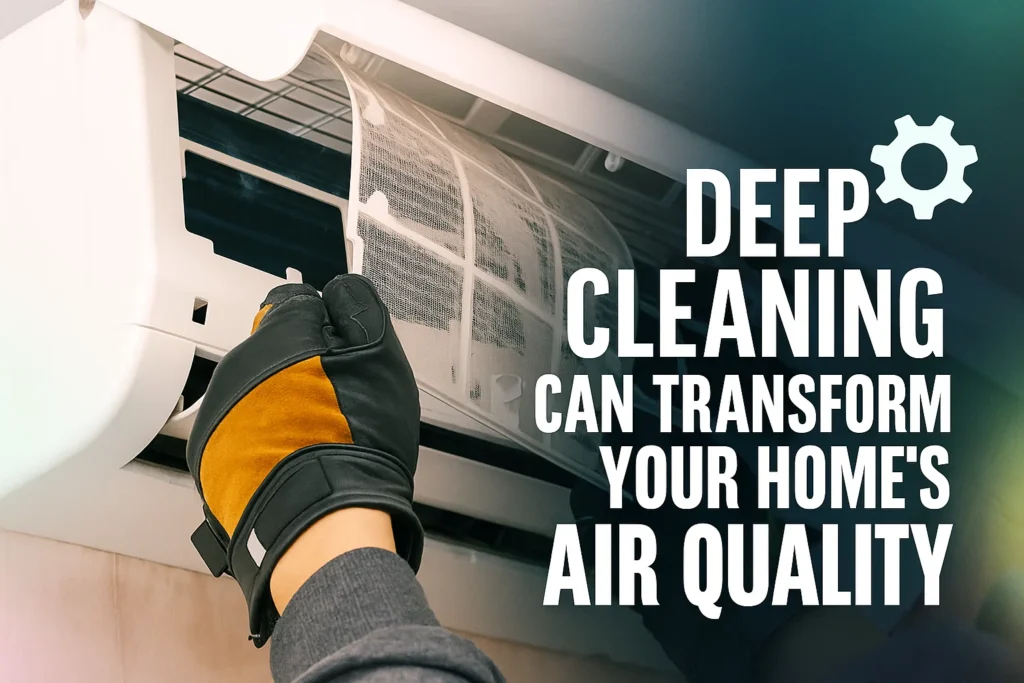
It is not only that allergies lead to sneezing, but they may also make your own house make you feel uncomfortable and frustrated all the time. Think about waking up and not feeling congested, or living in your living room without having itchy eyes and sneezing. The good news? This relief could be as simple as moving your hands to the right deep cleaning method. Powerful and targeted cleaning tips can turn your area into an allergen-ridden nightmare and a clean, breathable space with the help of allergy management tips.
And are you willing to make a step and draw a breath again? It is a guide that provides effective secrets of deep cleaning that will face allergens and keep your home comfortable again. Goodbye to itchy eyes and sore nose, and to the good fresh air each day.
Understanding Allergies and How Cleaning Helps
What Are Common Household Allergens?
- Dust mites: Tiny insects that will live in a warm and damp environment such as bedding and carpets.
- Pollen: seasonal irritants that get into the house via the open windows and clothing.
- Mold: appears in a damp environment and provokes breathing problems.
- Pet dander: scales of skin and hair that cause pet allergies.
How Deep Cleaning Can Improve Allergy Symptoms
- Lessens the airborne irritants and allergens.
- Limits the contact with dust, pets and mold spores.
- Makes the indoor environment a healthier place to be in, which enables more comfortable breathing and reduced allergy flare-ups.
Best Cleaning Practices to Remove Allergens from Your Home
Vacuuming for Allergy Relief: Why It’s Crucial
- Use vacuums with HEPA filters to trap microscopic dust and dander.
- Regular vacuuming helps to minimise allergen accumulation on the floors, carpet and furniture.
- The use of recommended vacuums in allergy sufferers:
- Models having closed filtration systems.
- Pet owner and dust mite controlling machines.
How to Clean Dust Mites Effectively
- Clean all bedclothes, pillow cases and upholstery covers in hot water (130°F/54 o C or more) once a week.
- Mite infiltration may be prevented by using allergen-proof mattresses and pillow cases.Have carpets and rugs sprayed using allergen sprays to minimize the population of dust mites.
Best Methods to Remove Pet Dander
- Wash pet bedding with hot water and soft detergent regularly.
- Mop vacuum floors, furniture and pet spaces daily to reduce the amount of dander buildup.
- Clean items and toys of pets (wash regularly) to get rid of allergens.
Targeting Specific Allergens in Your Home
How to Control Dust and Dander
Wipe off dust using damp microfiber cloths to hold the dust and not spread the dust.
Vacuums and air purifiers should be allergy-free, using the HEPA filter.
Frequently dust vents, fans and blinds where dust collects.
Managing Pollen: How to Keep It Out of Your Home
- Close windows and doors when the seasons are high in terms of pollen.
- Indoor air should be purified using the help of air purifiers with HEPA filters.
- Clean floors, walls and furniture to get rid of accumulated pollen.
Mold and Mildew Removal for Allergy Sufferers
- Check the wetter spots such as the bathroom, the basement and the kitchen frequently.
- Wipe off the molds with non-toxic mold-eliminating products or vinegar.
- Dehumidifiers and good ventilation should be used to avoid the growth of molds.
Air Quality and Allergies: How to Keep the Air Clean
The Importance of Air Purifiers in Allergy Management
- Select the air purifiers that contain the HEPA filters in order to capture the allergens.
- Purifiers use UV lights that are able to eliminate bacteria and spores of moulds in the air.
- Install air cleaners in the bedrooms and the popular living environments.
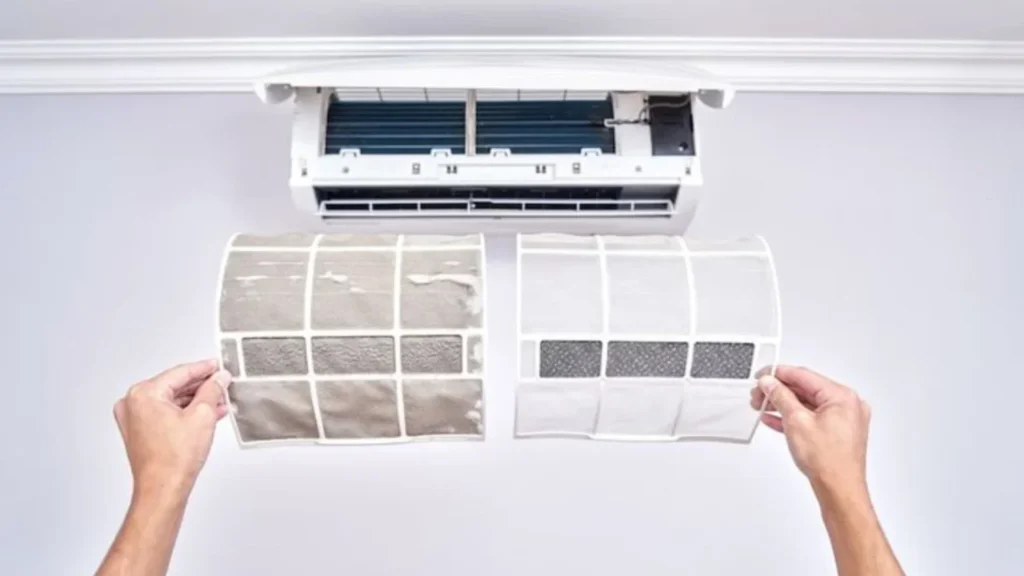
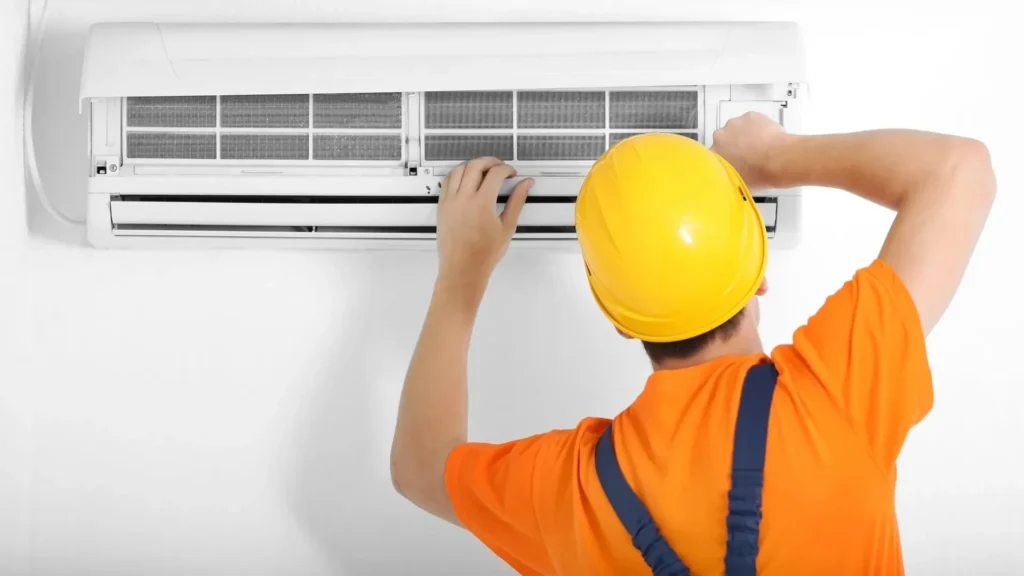
Regularly Cleaning Your HVAC System to Reduce Allergens
- Over time, dust and allergens accumulate in the air ducts and filters.
- Arrange duct cleaning every year or on demand.
- Replace HVAC filters with allergy-friendly filters (HEPA or electrostatic).
Best Practices for Controlling Humidity to Prevent Allergies
- Maintain indoor humidity between 30% and 50% to limit dust mites and mold.
- Use dehumidifiers in damp areas like basements and bathrooms.
- Improve ventilation by opening windows when weather permits and using exhaust fans.
Allergy-Friendly Cleaning Tools and Products
Best Vacuum Cleaners for Allergy and Asthma Relief
Allergy-friendly vacuums have sealed HEPA filters and high suction.
Popular models:
- Allergen Traps Canister Vacuums.
- Multi-layer filtration robot vacuums are used to maintain daily.
- Choose the machines that are easy to maintain and empty, without spreading dust.
Choosing the Right Cleaning Products for Allergy Relief
- Opt for non-toxic, fragrance-free, hypoallergenic cleaning agents.
- Natural alternatives like vinegar, baking soda, and essential oils work well.
- Avoid harsh chemicals that may worsen allergy symptoms or respiratory irritation.
The Benefits of Using Dust and Allergy Masks While Cleaning
Wearing masks helps to avoid breathing dust, pollen, and spores of molds.
Recommended masks:
- N95 or superior respirators.
- Comfortable and made to be worn long when doing chores.
Deep Cleaning Tips for Specific Areas of Your Home
How to Clean Your Bedroom for Better Sleep with Allergies
Laundry: Beds and any other washable material should be washed in hot water once every week to eliminate dust mites.
The covers on the mattresses, pillows, and comforters are allergen-proof.
Vacuum and dust off a lot of floors and bedroom surfaces.
Kitchen and Bathroom Deep Cleaning Tips for Allergy Relief
- Move the grout, sink, and shower parts with mold-specific cleaners to get out the mold and mildew.
- Wipe the kitchen counters and appliances clean of any contamination with any food allergens.
- Clean up trash regularly and wipe these spaces out to prevent moisture and pests.
Carpet and Upholstery: Cleaning for Allergy-Free Living
- Carpets and upholstery may be cleaned with special steam cleaning to get rid of dust mites.
- Pull furniture using a vacuum and clean spots using allergen-free agents.
- Even when the allergy can be severe, floors made of hard material will be more convenient to clean than carpets that have been used previously.
Creating an Allergy-Free Home: Ongoing Maintenance
How to Live with Allergies: Cleaning Habits for Daily Relief
- Set a routine cleaning schedule where one cleans every day to make sure there are minimal allergens.
- Keep not so much stuff that dusts and danders.
- Put off shoes at the doorstep, thus minimizing pollen and dirt in the house.
Tips for Seasonal Cleaning: Keeping Allergies in Check Year-Round
- Seasonal Cleaning Advice: How to Keep Stuff Allergy-free All Year Round.
- Spring: Dwelling on cleaning of the surfaces and screening of pollen in case of allergy.
- Fall and Summer: Keep the HVAC meeting clean and minimize dust formation.
- Winter: Humidity control to get rid of dust mites and mold.
How Often Should You Deep Clean Your Home for Allergy Relief?
- Wash bedding weekly.
- Have a vacuum and dust at least twice per week.
- Have carpets, upholstery and HVACs that are deep cleaned seasonally.
Conclusion:
Deep cleaning is a very important undertaking in allergy control whereby the allergens are addressed at the very locations they multiply on surfaces, in the atmosphere and in inaccessible places within your place of residence. To a great deal, by eliminating the cause of any dust mites, pet dander, molds and pollen, you greatly decrease exposure, and help relieve the symptoms of allergy in all members of your household. Providing a safe and healthy environment to allergy sufferers does not simply imply the occasional cleaning, but routine, having the appropriate equipment such as HEPA vacuums and air cleaners, and being conscious of the humidity and quality of air.
Ready to make your home truly allergy-friendly? Visit Deep Cleaning Experts today for expert advice and professional cleaning services that put your comfort first.
FAQ’s
This should be cleaned by deep cleaning major areas every 3-6 months and weekly dusting and vacuuming.
Yes, the application of proper filters like HEPA filters greatly reduces indoor dust and pet dander with the help of vacuum cleaners.
Are natural cleaning products effective for allergy relief?
Yes, it is safe and it works with such kinds of natural products like vinegar and baking soda and essential oils.
Yes, maintaining the humidity of the indoor setting, which may be either 40-50% will aid in lessening the development of molds and dust mites.
Washing bedding once a week in water greater than 130°F or hotter kills dust mites.